A Shift Toward Continuously Modernized Infrastructure

Hilary Fox
CEO
Advoda Technology Advisors
March 4th, 2026
For decades, enterprise infrastructure planning followed a predictable rhythm built around the network refresh cycle. Organizations purchased hardware, deployed it across their environments, operated it for several years, and eventually planned a major upgrade.
These upgrade cycles were often driven more by vendor lifecycles than by business priorities. Large capital investments were approved, projects were scheduled, and infrastructure remained largely unchanged until the next refresh window arrived.
Today, many organizations are beginning to question whether that model still makes sense.
The pace of change in technology, security, and business operations has accelerated dramatically. Networks now support distributed workforces, cloud platforms, and digital services that evolve far more quickly than traditional infrastructure lifecycles allow.
As a result, leadership teams are increasingly evaluating whether infrastructure should evolve continuously rather than through large, disruptive replacement cycles.
Why Traditional Upgrade Cycles Are Losing Relevance
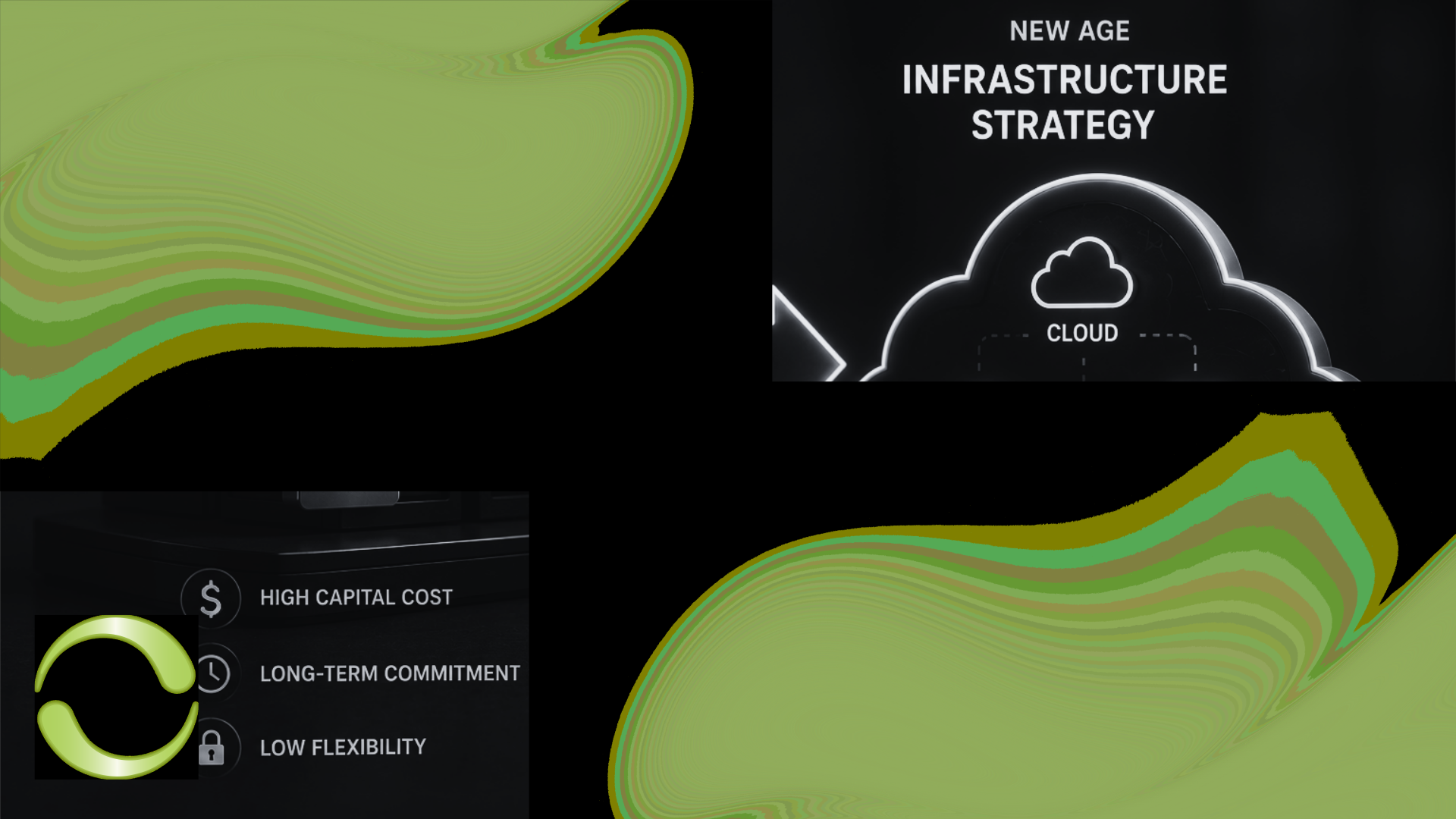
Traditional refresh cycles made sense when infrastructure investments were largely capital purchases with long depreciation schedules. But the technology environment has changed significantly.
Cloud adoption, hybrid work, and evolving cybersecurity requirements are placing new demands on enterprise networks. Organizations increasingly need infrastructure that can adapt quickly rather than systems designed to remain static for five to seven years.
Large refresh projects also introduce operational disruption and financial spikes. Planning, procurement, deployment, and downtime must all be coordinated across teams, which can delay modernization efforts and create unnecessary complexity.
For many organizations, the traditional upgrade cycle is becoming less aligned with how modern businesses operate.
How Network-as-a-Service and Managed Infrastructure Models Are Changing the Equation
Rather than waiting for major refresh events, many organizations are exploring continuously modernized infrastructure models.
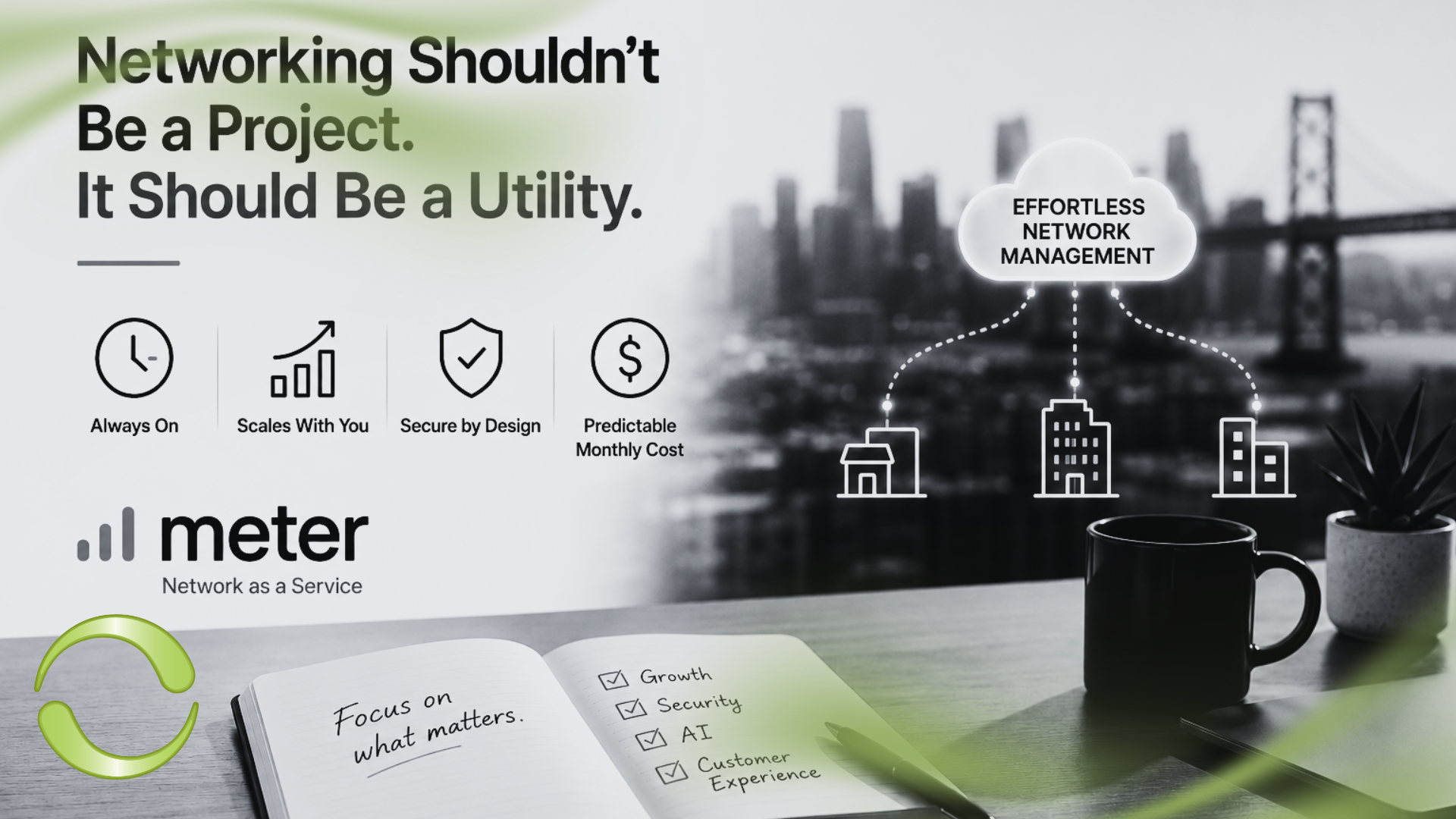
Approaches such as Network-as-a-Service (NaaS) and fully managed infrastructure platforms bundle hardware, software, lifecycle management, and support into a single operational model. Instead of purchasing equipment and planning periodic upgrades, organizations gain access to infrastructure that evolves incrementally over time.
These models typically include fully managed network platforms, integrated support services, predictable consumption-based pricing, and ongoing technology refresh as part of the service.
The result is infrastructure that remains current without requiring disrupt ive replacement cycles or large capital investments every few years.
A Simple Evaluation Framework
For leadership teams evaluating alternatives to traditional refresh cycles, a few strategic questions can help clarify the right path forward.
Operational complexity is often the first consideration. How many infrastructure platforms must be managed internally, and how much time does the IT team spend maintaining infrastructure rather than enabling the business?
Financial structure is another important factor. Does the current model create large capital spikes every few years, or does spending align more predictably with organizational growth?
Technology agility also plays a critical role. When business needs change, how quickly can new capabilities be introduced into the network environment?
Finally, organizations should evaluate lifecycle visibility. Many teams lack clear insight into hardware aging, support timelines, and replacement risk until a refresh project becomes urgent. Do teams have clear insight into hardware aging, support timelines, and replacement risk, or does that visibility only surface when a refresh project becomes urgent?
These questions shift the conversation from equipment ownership to long-term infrastructure strategy.
Strategic Takeaway
The shift away from rigid network upgrade cycles reflects a broader change in how organizations think about infrastructure. Technology is no longer a static asset that can remain unchanged for years at a time. It has become a dynamic platform that must evolve alongside business requirements.
For many organizations, the most important question is no longer when the next hardware refresh should occur. Instead, leadership teams are evaluating how infrastructure can remain current, secure, and scalable without requiring disruptive modernization projects every few years.
Organizations that navigate this transition successfully will focus less on equipment ownership and more on long-term architecture, operational simplicity, and financial flexibility.